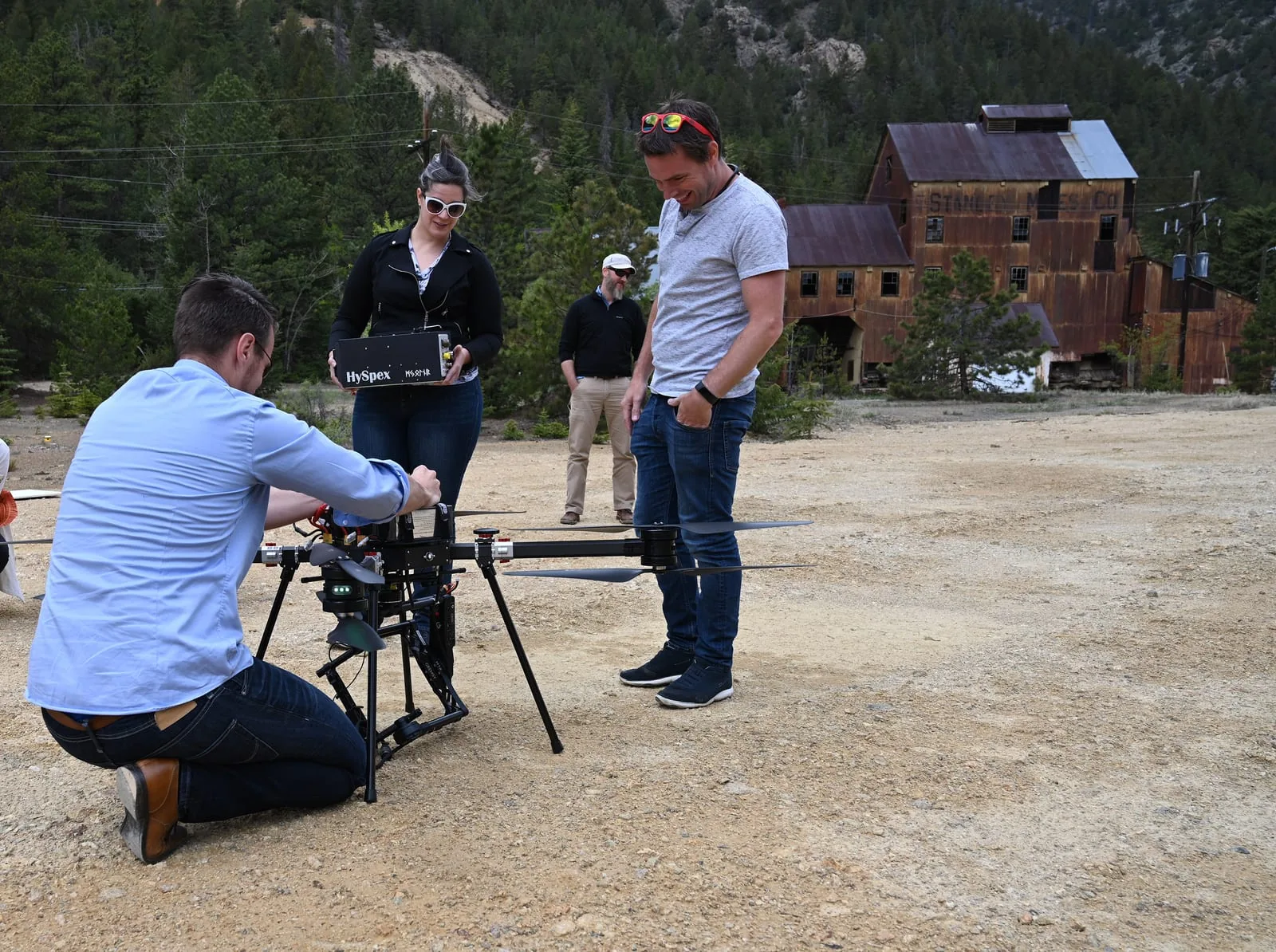
The Part 107 test costs approximately $175 for the initial aeronautical knowledge exam at an FAA-approved testing center. That is the FAA's current estimate for the exam, not a complete drone-startup budget. Confirm the amount when booking. Pilots who already hold a Remote Pilot Certificate can complete the FAA's required recurrent training online for free. FAA test-cost guidance
For a first-time applicant, the useful budgeting question is how many exam attempts to allow for, whether to buy instruction, and what travel will cost. Aircraft registration and equipment belong in a separate operating budget.
What to budget for the test
Use the following amounts as planning figures in U.S. dollars. The exam estimate comes from the FAA; the repeat-attempt totals are arithmetic assuming the same $175 fee for each sitting. They are not a booking quote.
| Expense or scenario | Planning amount | What it includes |
|---|---|---|
| One initial exam attempt | About $175 | The testing-center exam fee |
| Two paid attempts | About $350 | $175 × 2, before travel or instruction |
| Three paid attempts | About $525 | $175 × 3, before travel or instruction |
| Self-study with official online materials | $0 for access | Your study time remains a separate commitment |
| Optional instruction, printing, and travel | Your actual costs | Add only what you choose or need |
| FAA recurrent online training after certification | $0 | The applicable FAA course, not private refresher instruction |
Sources: FAA exam-fee estimate, official study resources, and FAA recurrent-course guidance. Amounts checked September 6, 2026.
Your cash budget = exam fee × paid attempts + chosen preparation expenses + travel and parking.
Keep employee study hours and time away from work alongside that cash figure if an employer is paying. Do not use a course's advertised tuition as the total unless its written terms expressly include the testing-center charge. Before booking, read the appointment's cancellation, rescheduling, identification, and late-arrival terms; a study budget should not depend on an assumed refund.
Who needs the paid exam?
Most new applicants take the Unmanned Aircraft General – Small, identified by the test code UAG. Under the FAA's certification process, applicants must be at least 16 to receive the certificate, meet the English-language requirement, and be physically and mentally able to operate safely.
There is a specific alternative for someone holding a Part 61 pilot certificate other than a student pilot certificate who meets the flight-review requirements of § 61.56. That applicant can use the FAA's online initial-training route instead of the paid UAG exam. Holding an old pilot certificate alone does not establish eligibility. 14 CFR Part 107, § 107.61
The FAA identifies ALC-451 as the no-cost initial course for eligible current Part 61 pilots. The course is only part of obtaining the Remote Pilot Certificate; application and identity-validation steps still follow. Check any appointment charges separately rather than treating a free course as a promise that every related service is free. FAA initial and recurrent course options
A recreational TRUST completion is a different qualification and does not replace the UAG route for a new Part 107 applicant. The FAA's pilot-testing guidance distinguishes those paths and confirms that documented pre-test instruction is not required for Part 107. Buying a prep course is a learning choice.
Prepare and book without avoidable surprises
- Confirm the exam and your records. Obtain your FAA Tracking Number through IACRA, or use your existing number. Then follow the testing-center link on the FAA pilot-certification page and select UAG. Keep the booking confirmation and receipt.
- Check admission requirements before payment. Review the FAA's current testing matrix and your appointment instructions. Verify acceptable identification, matching personal details, and residential-address evidence. UAG does not require an instructor endorsement. The matrix lists a minimum testing age of 14; certificate eligibility begins at 16, so younger learners should plan the timing carefully.
- Study concepts with current materials. The FAA's Part 107 study-resource list provides the study guide, certification standards, aeronautical handbook, and a practice-exam link. Work through airspace, weather, operating restrictions, and preflight decisions until you can explain an answer, rather than recognize a memorized question.
- Check updates for your appointment date. The August 2026 Airman Testing Community Advisory says UAG will include image-based questions using images absent from the printed testing supplements beginning October 26, 2026. It also says the removal date for printed supplements has not been set. Practice interpreting charts rather than depending on a familiar figure layout, and check the latest advisory before testing.
Before choosing a paid course, check that its lessons reflect current FAA testing updates and explain the subjects you find difficult. A completion certificate from a private course is not the FAA Remote Pilot Certificate.
If you fail, allow for another attempt and a delay
The FAA requires a 14-day wait before retesting after failure. Its UAG testing matrix requires the failed Airman Knowledge Test Report for the retest and explicitly says that an instructor endorsement is unnecessary, including after failure. Save a copy of the report and use its knowledge-area codes to identify what needs more study. FAA testing matrix, UAG section
For budgeting, reserve approximately another $175 and confirm the actual retest charge when scheduling. Two sittings at that estimate mean about $350 in exam fees; the 14-day wait is an eligibility interval, not a guarantee that an appointment will be available then. Avoid promising a client a start date based solely on the next possible test date.
After a pass, retain the test report and use its 17-digit exam ID when applying through IACRA. The FAA notes that test results can take up to 48 hours to appear there. Complete the certificate application and security-vetting process; a passing score report is not the temporary Remote Pilot Certificate. FAA application instructions
Certification costs and flying costs are separate
The permanent Remote Pilot Certificate does not have an ordinary expiration date, but aeronautical-knowledge recency must be maintained. Keep the recurrent-course completion certificate with your pilot records. FAA certificate and recency FAQ
The FAA currently offers ALC-677 at no cost to Part 107 certificate holders, including those whose knowledge recency has lapsed. After the initial qualification, this course provides a free way to maintain recency on the 24-calendar-month cycle. Complete it before resuming operations if your recency has lapsed. FAA recurrent-training requirements
Aircraft registration is separate: Part 107 registration costs $5 per drone for three years. The small-drone registration exception applies to qualifying recreational operations, not Part 107 flights. Adding one aircraft registration to a $175 exam estimate produces $180, but that narrow subtotal excludes the aircraft, preparation, travel, and any other operating expenses. FAA drone-registration rules and fees
Before the first job, keep a usable record of the pilot certificate, knowledge-recency evidence, aircraft registration, and any required operational authorization. Confirm applicable Remote ID obligations through the FAA registration guidance. Then complete the actual preflight assessment: weather, airspace and flight restrictions, people and ground hazards, crew responsibilities, working control links, sufficient power, and secure payloads. These checks come from § 107.49; the exam receipt does not demonstrate that a flight is ready.
Start by confirming which certification path applies to you. For the standard new-applicant route, set aside about $175 for one attempt, add your real preparation and travel costs, and decide whether to reserve a second-attempt allowance. Keep the operating budget and first-flight readiness check separate so that passing the test leads to a properly prepared operation.
Sources
- FAA: Remote Pilot Certificate test cost. Official estimate of the initial testing-center fee.
- FAA: Become a Certificated Remote Pilot. Eligibility, booking, application, and recurrent-training instructions.
- 14 CFR Part 107. Regulatory requirements, including the Part 61 alternative and preflight responsibilities.
- FAA: Operations Over People General Overview. Official initial and recurrent online-course options and their no-cost status.
- FAA Aeronautical Information Manual, UAS pilot testing. Distinguishes Part 107 from TRUST and explains pre-test training requirements.
- FAA: Airman Knowledge Testing Matrix. Identification, UAG test age, endorsements, and retest documentation; revised October 22, 2025.
- FAA: Policy Document Library. Official Part 107 study resources and practice-exam access.
- FAA: August 2026 Airman Testing Community Advisory. Announced October 26 UAG image changes and the status of printed supplements.
- FAA: Remote Pilot Certificate duration FAQ. Certificate duration and proof of knowledge recency.
- FAA: How to Register Your Drone. Per-aircraft fees, registration categories, and Remote ID guidance.
Last checked: September 6, 2026.